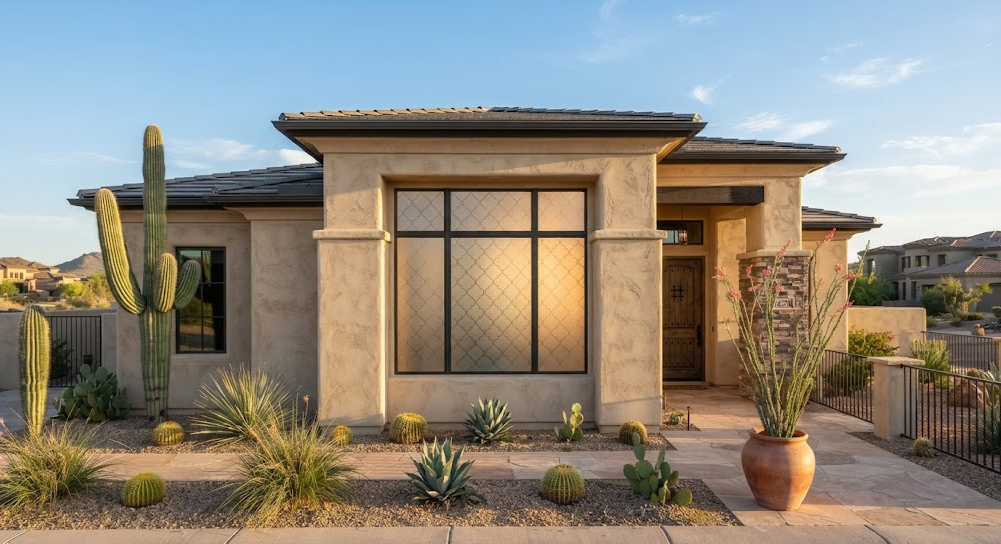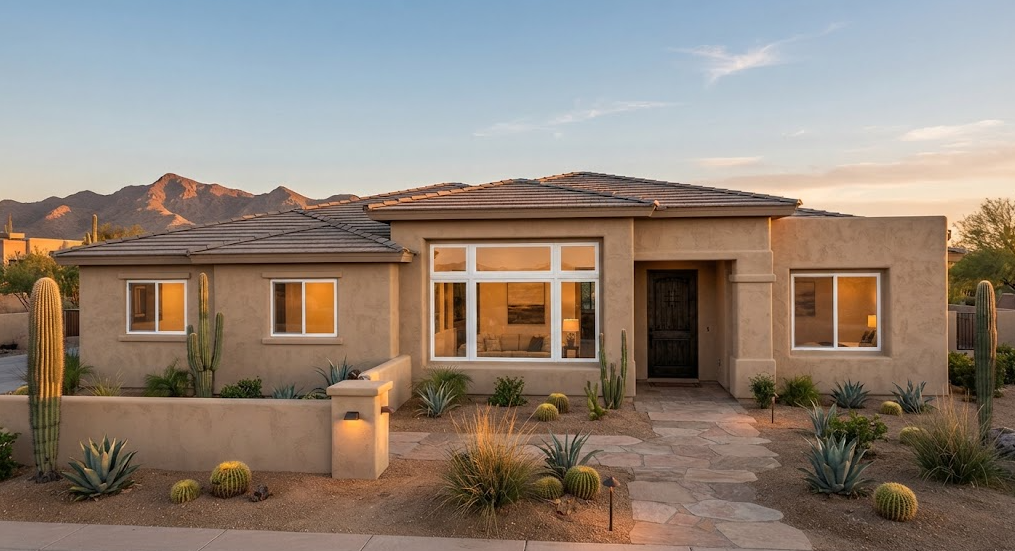
Walk into a lot of older homes in Litchfield Park in July, and you’ll feel it right away – that one room near the front windows that’s always a few degrees warmer than the rest of the house. The AC is running just as hard as everywhere else, but it can’t quite keep up. That’s usually not a broken AC problem. It’s a window problem.
Home window insulation solutions aren’t just about stopping drafts in the winter, even though that’s what most people think of first. Out here in the West Valley, insulation matters just as much in August as it does in January, maybe more. A poorly insulated window lets outside heat push its way in all day long, and your cooling system pays for it every single month.
This post walks through the real options homeowners have for tightening up their windows and keeping their homes comfortable no matter what the thermometer says outside.
Why Window Insulation Is a Year-Round Issue in Arizona
Most people picture insulation as a winter thing – keeping cold air out, keeping heat in. That’s true back east or up north, but Arizona flips the script a little.
Here, the bigger battle is keeping the summer heat outside where it belongs. Stucco homes soak up sun all afternoon, and if your windows aren’t sealed and insulated properly, that heat radiates straight through the glass and frame into your living room. Then in the cooler months, especially overnight when temps drop fast in the desert, poorly insulated windows let that warm indoor air slip right back out.
Good insulation works both directions. It’s not a seasonal fix – it’s a year-round one.
Signs Your Windows Aren’t Insulating Well
Some homes make it obvious. Others are sneakier about it. A few things worth checking:
- Rooms near windows feel noticeably hotter or colder than the rest of the house
- You can feel air movement near the frame even with windows closed
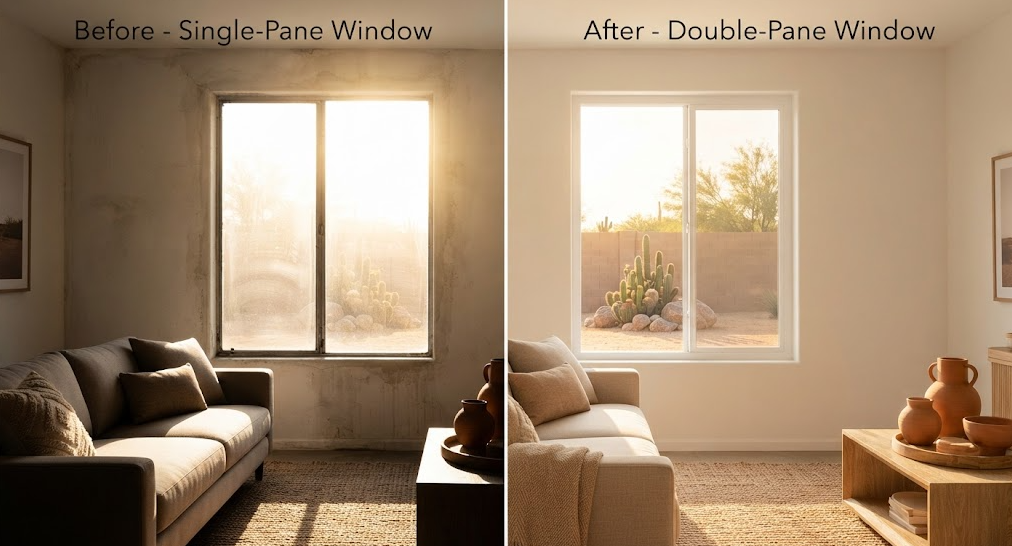
- Condensation builds up between glass panes (a sign the seal has failed)
- Your energy bill creeps up without any real change in how you use the AC
- Outside noise – traffic, neighbors, monsoon storms – comes through louder than it should
If two or three of these sound familiar, it’s worth getting your windows looked at before another Arizona summer hits.
Insulation Solutions Worth Considering
Weatherstripping and Caulking
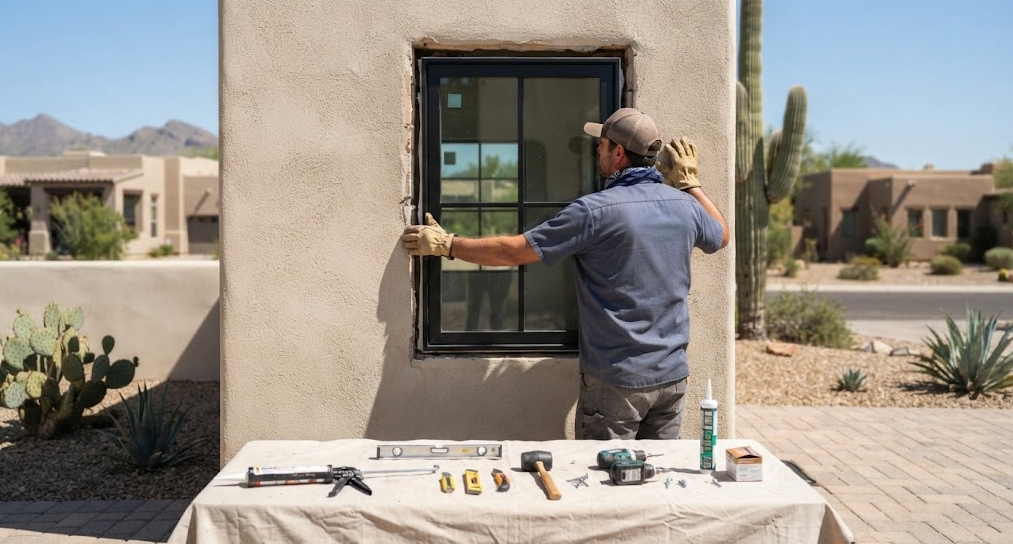
The cheapest fix, and honestly a good first step if your windows are otherwise in decent shape. Old caulking cracks and shrinks over time, especially with how much Litchfield Park homes expand and contract in the heat. Fresh caulking around the frame and updated weatherstripping can close small gaps that let air sneak through.
This won’t fix a window that’s failing structurally, but it buys time and helps with smaller drafts.
Low-E Glass Coatings
Low-E (low-emissivity) glass has an invisible coating that reflects heat rather than letting it pass through the glass. For a house getting hit by direct west-facing sun most of the afternoon, this makes a real difference. It keeps the sun’s heat outside in summer and helps hold indoor warmth in winter.
Double or Triple-Pane Windows with Gas Fill
Single-pane windows just don’t hold up here. There’s a layer of gas – usually argon – sandwiched between two or three panes of glass, and it acts as a buffer against outside temperature swings. Homes still running original single-pane windows tend to see the biggest jump in comfort after switching, since there’s simply more material and more insulating gas standing between the outdoor heat and your living room.
Window Film
For homeowners not ready for a full replacement, window film is a lower-cost option that reduces heat transfer and UV exposure. It’s not a permanent insulation fix, but it can help in the short term, especially on windows that get brutal afternoon sun.
Full Window Replacement vs. Insulation Upgrades
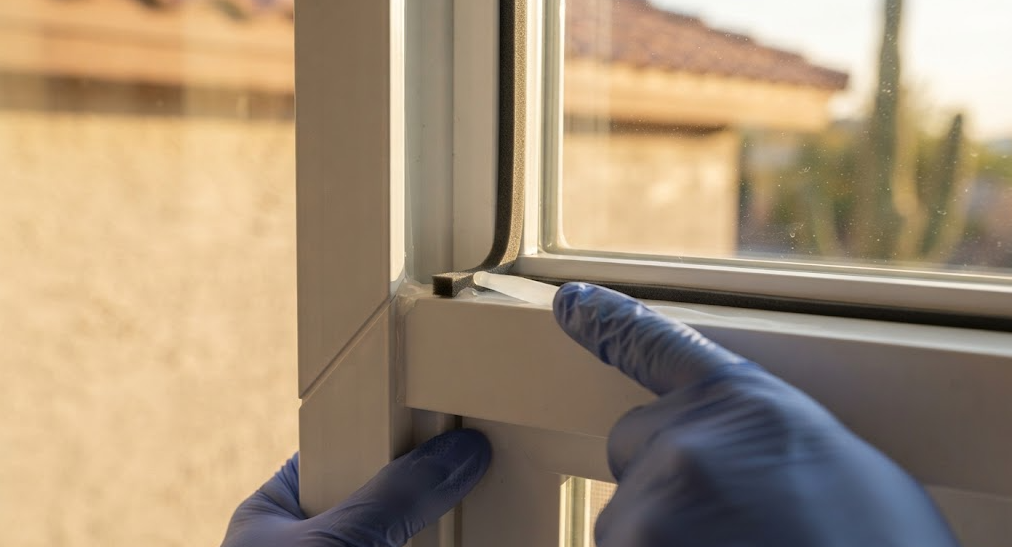
Sometimes patching things up isn’t enough. If your window frames are warped, the seals have failed, or you’re dealing with old aluminum frames (common in a lot of older West Valley homes), no amount of caulk or film is going to solve the underlying problem.
A full replacement with properly insulated, energy efficient windows tend to be the better long-term investment in these cases. Yes, it costs more upfront than a tube of caulk. But homeowners who make the switch usually notice their AC doesn’t run as constantly, and rooms that used to feel like a greenhouse finally feel normal.
What This Means for Your Energy Bills
Cooling costs are the biggest energy expense for most Litchfield Park households, especially between May and September. Windows that aren’t insulating properly force your AC to work overtime just to hold a steady temperature. Over the course of a full Arizona summer, that adds up.
Properly insulated windows won’t eliminate your cooling bill, but many homeowners notice their AC cycles less often, and their home holds a more even temperature room to room. Less strain on the system also tends to mean fewer repair calls down the road.
Stay Comfortable All Year, Not Just in Summer
Good window insulation isn’t a one-season fix. It’s what keeps your Litchfield Park home comfortable whether it’s 115 degrees in July or a chilly 40-degree desert night in January.
Apex Legacy Windows helps homeowners across Litchfield Park, Goodyear, Avondale, Sun City West, and Waddell figure out whether their windows need a simple fix or a full upgrade. Reach out today for a free consultation, and we’ll walk you through the options that actually make sense for your home.