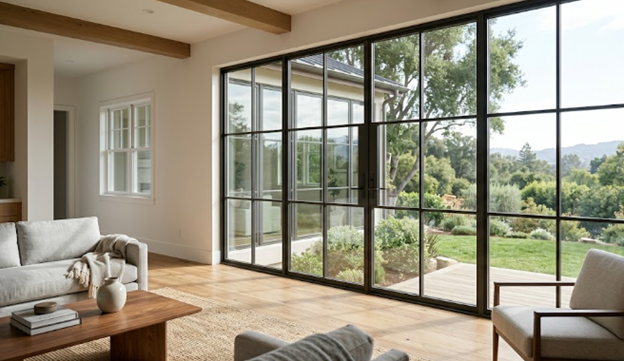
Nobody warns you about this when you buy a house. You walk in, you love the layout, you picture your furniture against the walls and then one day, years later, you’re standing in front of a foggy, drafty window wondering how it got this bad and what on earth you’re supposed to do about it.
Choosing replacement windows sounds straightforward until you actually start looking into it. Suddenly, there are frame materials, glass types, energy ratings, grid patterns, opening styles, and every salesperson you talk to seems to have a different opinion about what you “really need.”
So let me cut through all of that for you. I’ve helped a lot of homeowners navigate this decision, and I can tell you that it doesn’t have to be overwhelming. You just need to know what questions to ask and what actually matters versus what’s just noise.
First, Understand What’s Actually Wrong with Your Current Windows
Before you go shopping for anything, take a step back and figure out what problem you’re actually trying to solve. This matters more than most people realize, because different problems point to different solutions.
Are your windows fogging up between the panes? That’s a seal failure issue. Are they drafty in winter or letting heat pour in during summer? That’s an insulation and glass problem. Are they hard to open, or do they rattle in the wind? That might be a frame or hardware issue. Are they just old and ugly, and do you want something that looks better and boosts your home’s value? That’s a completely different conversation.
When you know what you’re solving for, everything else gets easier to evaluate. If you’re not sure where to start, our team at Apex Legacy Windows is always happy to take a look and give you an honest assessment no pressure, no obligation.
Window Styles: Pick What Works for Your Home, Not Just What Looks Nice
There are a handful of window styles that work well for most homes, and each one has its place. Here’s a plain-English breakdown:
Double-hung windows are the most common style in American homes for a reason. Both the top and bottom sash slide up and down, which makes them easy to clean from inside the house and gives you good control over airflow. They work in almost any room and fit most architectural styles without looking out of place.
Casement windows are hinged on the side and crank open outward. They seal tighter than almost any other style when closed, which makes them an excellent choice if energy efficiency is a top priority. They’re also great for catching cross-breezes. The downside is they need clear space on the outside to open, so they’re not ideal above a porch or near a walkway.
Sliding windows open horizontally, which makes them a natural fit for wide, low openings like above a kitchen sink or in a basement. Simple mechanism, easy to operate, and they don’t protrude when open.
Picture windows don’t open at all. They’re purely for light and views. If you’ve got a beautiful backyard or a great view from a certain room, a picture window can completely transform that space. Just keep in mind you’ll want operable windows nearby for ventilation.
Bay and bow windows extend outward from the wall and create a little alcove inside. They add character and make a room feel larger. They’re also a bigger investment, so they tend to make the most sense in living rooms or primary bedrooms where you’ll really appreciate them.
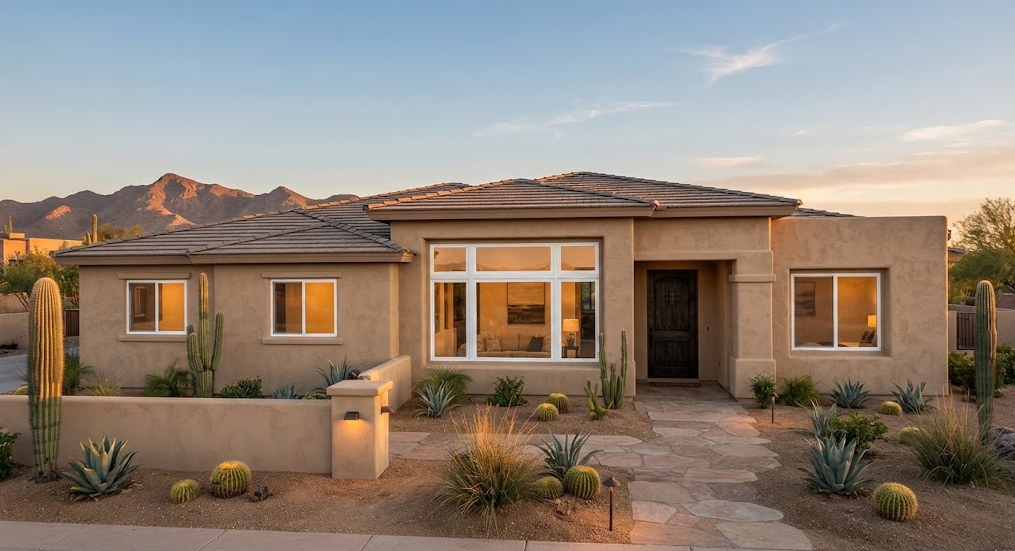
When in doubt, match the style of window to how that room actually gets used. A bedroom that needs airflow at night calls for something different than a front-facing room that’s mostly about curb appeal. Want to see how different window styles look on real Arizona homes? Browse our project gallery for inspiration.
Frame Materials: This Decision Matters More Than Most People Think
The frame is what holds everything together, and in a climate like Arizona, it’s one of the most important choices you’ll make.
Vinyl frames are the most popular option for good reason. They don’t rot, they don’t rust, they hold up well in extreme heat, and they require almost zero maintenance over the years. They also insulate well because vinyl doesn’t conduct heat the way aluminum does. For most Arizona homeowners, vinyl is the smart, practical choice.
Aluminum frames are strong and slim, which gives them a sleeker, more modern look. But aluminum conducts heat a lot of it, which means it can work against you in a hot climate. If you love the look of aluminum, ask about thermally broken aluminum frames, which have an insulating barrier built in to reduce that heat transfer.
Wood frames are beautiful. There’s really no argument there. But they need regular maintenance; they can swell and warp in moisture, and in a desert climate with occasional monsoon seasons, they take more care than most homeowners want to deal with. Wood-clad frames with wood on the inside and vinyl or aluminum on the outside give you that interior warmth without all the outdoor upkeep.
Fiberglass frames are incredibly durable and expand and contract at nearly the same rate as glass, which puts less stress on the seals over time. They’re also one of the better performers in extreme temperatures. The main drawback is cost; they tend to run higher than vinyl, though many homeowners find the long-term performance worth it.
Our custom window solutions include several frame options specifically suited to Arizona’s heat and sun exposure. We’ll help you find the right match for your home and your budget.
Glass Options Where the Real Energy Savings Come From
The frame matters, but the glass is where your energy performance really lives. A few things to understand:
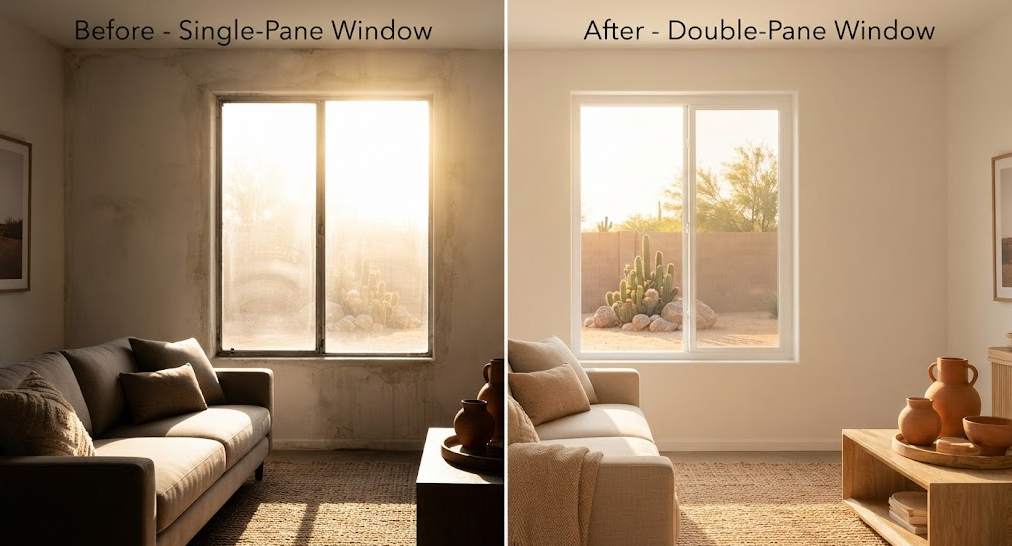
Single-pane glass is essentially not an option for any home that takes energy efficiency seriously. It provides almost no insulation and should be replaced whenever encountered in an older home.
Double-pane glass is the standard today for a reason. Two layers of glass with a gas-filled space between them, usually argon, dramatically improve insulation. In Arizona summers, this is the baseline minimum you want.
Triple-pane glass adds another layer and is excellent for noise reduction and extreme climates. It’s more common in colder northern states, but if you live near a busy road or want the best possible sound insulation, it’s worth considering.
Low-E coatings are thin, nearly invisible coatings applied to the glass that reflect infrared heat while still letting light through. For Arizona homeowners, this is genuinely important. The right Low-E glass can block a significant amount of solar heat from entering your home without making your rooms feel darker.
This is exactly what our energy-efficient window solutions are built around glass packages specifically chosen for Arizona’s intense UV exposure and heat. Most of our customers notice a real difference in their cooling bills within the first season.
Don’t Skip the Energy Rating Numbers
When you’re comparing windows, you’ll come across a few numbers that are worth understanding.
The U-Factor measures how well the window insulates. Lower is better. A lower U-factor means less heat escaping in winter or enters in summer.
The Solar Heat Gain Coefficient (SHGC) measures how much solar heat the window lets in. In a hot climate like Arizona, you generally want a lower SHGC to reduce the amount of heat building up inside your home during the day.
The Visible Transmittance (VT) tells you how much natural light comes through. Higher means brighter rooms. Sometimes there’s a tradeoff between blocking heat and maintaining good natural light, so finding the right balance for each room is worth discussing with your installer.
Think About the Room, Not Just the Window
One thing that often gets overlooked the same window isn’t necessarily the right choice for every room in your house.
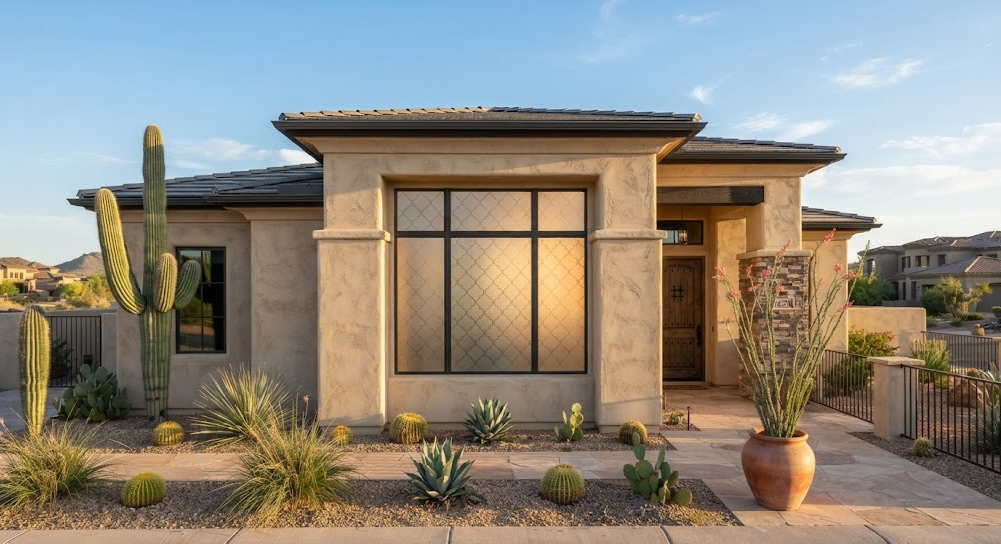
A south-facing bedroom that gets blasted with afternoon sun has different needs than a north-facing home office that barely gets direct light. A bathroom window needs privacy glass or a frosted option. A room where you love to open the windows at night needs something that operates smoothly and seals well when closed.
Go room by room and think about sun exposure, how often you open that window, what you see from it, and what you need from it. That thinking usually makes the final decisions pretty clear. For a full breakdown of what we handle room by room, take a look at our residential installation services.
The Question of Budget Being Realistic About It
Let’s be honest: windows are an investment, and good ones aren’t cheap. But there’s a way to think about this that makes the cost feel more reasonable.
Cheap windows installed today often mean repairs or replacement again within a decade. Quality windows, properly installed, can last twenty to thirty years with minimal issues. When you spread that cost over that timeframe and factor in the energy savings along the way the math usually favors doing it right the first time.
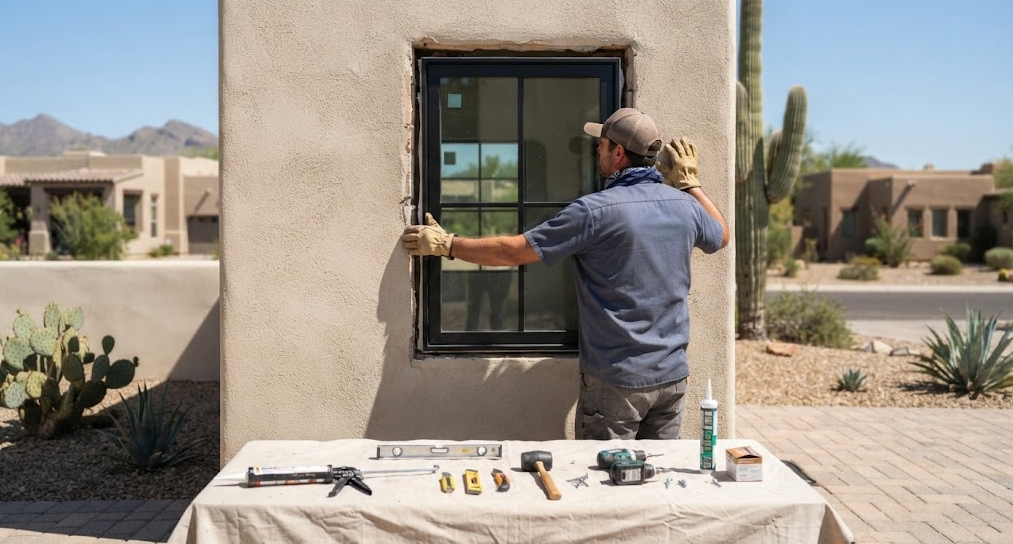
That said, you don’t have to replace every window in your home at once. Start with the ones that are causing the most problems or are in the rooms you use most. A phased approach lets you manage costs while still making real progress. Our window replacement service is designed to be flexible, whether you’re replacing one window or the whole house, we work with you on a plan that makes sense.
Get at Least Two or Three Opinions Before Deciding
I’d be doing you a disservice if I didn’t say this: talk to more than one company before you make a decision. Window replacement is a significant purchase, and any reputable installer will be happy to come out, assess your home, and give you honest recommendations without pressuring you.
Ask them to explain their recommendations. Ask why they’re suggesting a particular glass package or frame material for your specific home. A good installer explains their thinking. If someone just hands you a price without really listening to your situation, that’s worth noticing.
You can read more about how we approach every project on our about page, and you’ll see pretty quickly that we’re not in the business of overselling.
Final Thoughts
Choosing the right windows for your home comes down to knowing your climate, understanding your options, and thinking about each room individually rather than treating the whole house as one decision.
At Apex Legacy Windows, this is exactly the kind of conversation we have with homeowners every day. We don’t believe in one-size-fits-all solutions, and we take the time to actually look at your home before making any recommendations.
Ready to figure out what your home really needs? Contact us for a free in-home consultation. No pressure, no rush just honest answers from people who know Arizona homes.