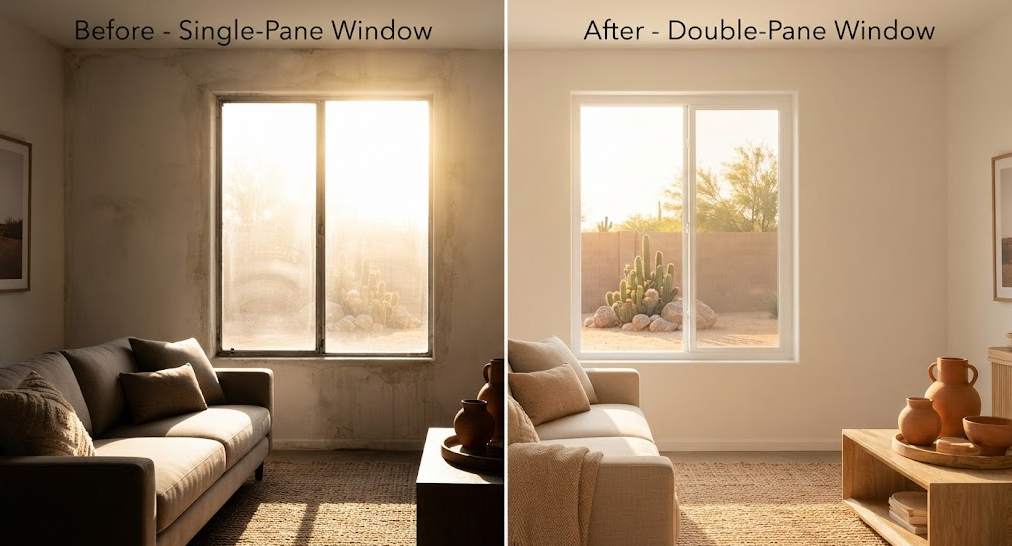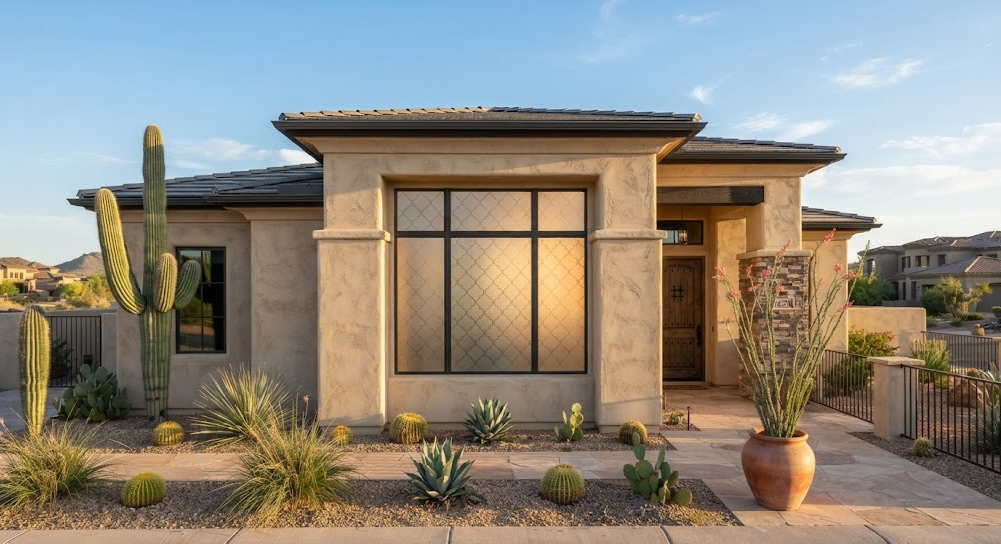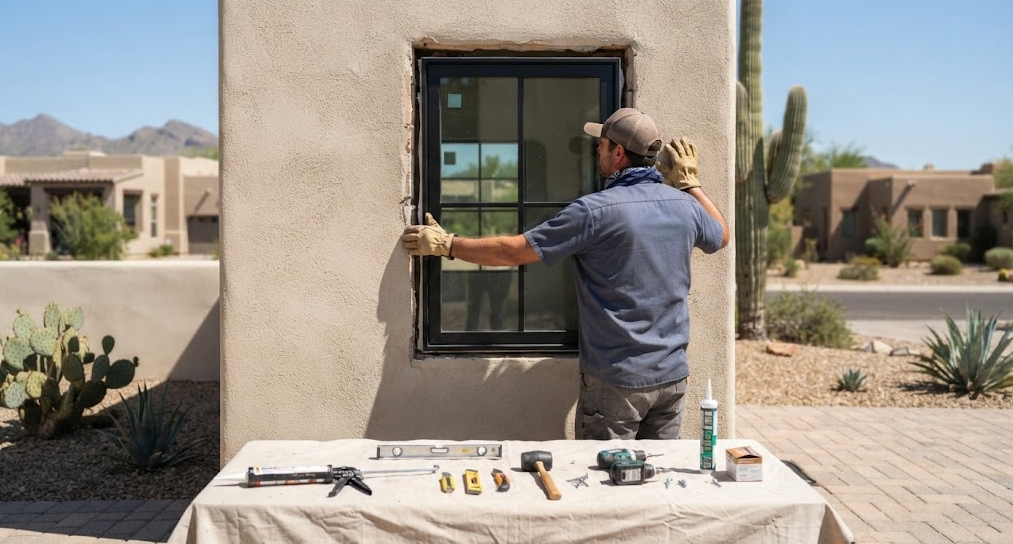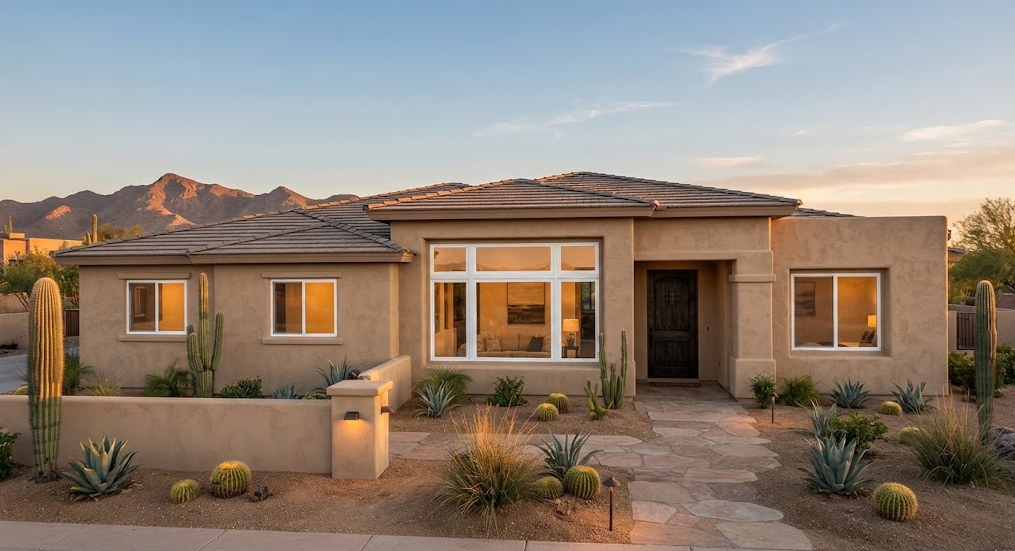
Swapping out a window looks simple on YouTube. Pull the old one, drop in the new one, done. In real life, that’s rarely how it goes, especially in a hot climate like Litchfield Park, AZ.
Professional home window installers bring tools, training, and warranty backing that a weekend DIY job just can’t match. Here’s the honest breakdown of both routes, so you can pick the right one for your home.
Professional home window installers handle measuring, removing, sealing, and finishing work with proper tools and code knowledge. DIY window replacement can save on labor costs upfront, but it often risks poor sealing, voided warranties, and higher energy bills down the road.
What Do Professional Window Installers Actually Do?
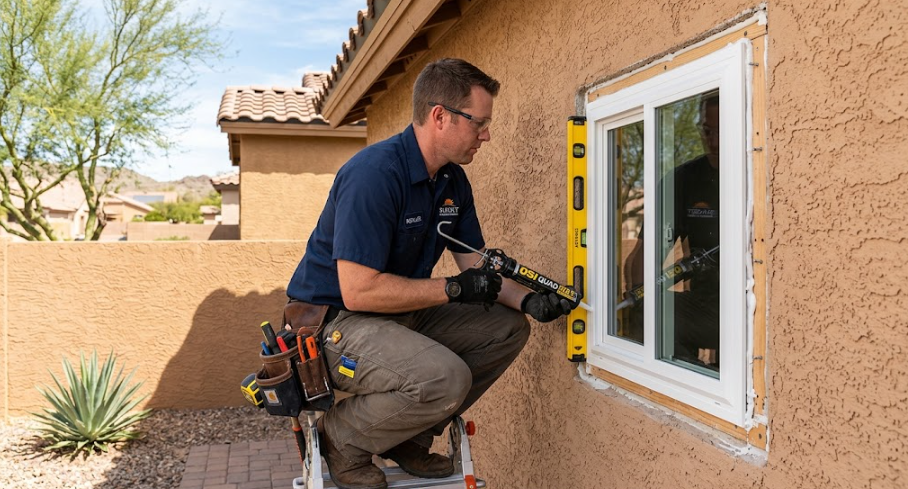
A professional installer manages the entire job, not just setting glass in a frame. That includes prep work most homeowners don’t expect.
Typical steps a pro handles:
- Measuring each opening precisely, since walls settle and shift over time
- Checking for wood rot or water damage behind the old frame
- Removing the old window without damaging stucco or drywall
- Leveling and shimming the new window so it opens smoothly
- Sealing with weatherproof caulk and foam insulation
- Finishing trim work to match the home’s existing style
Skipping any one of these steps can lead to leaks, drafts, or a window that sticks within a year.
Why Does DIY Window Installation Carry Risk?
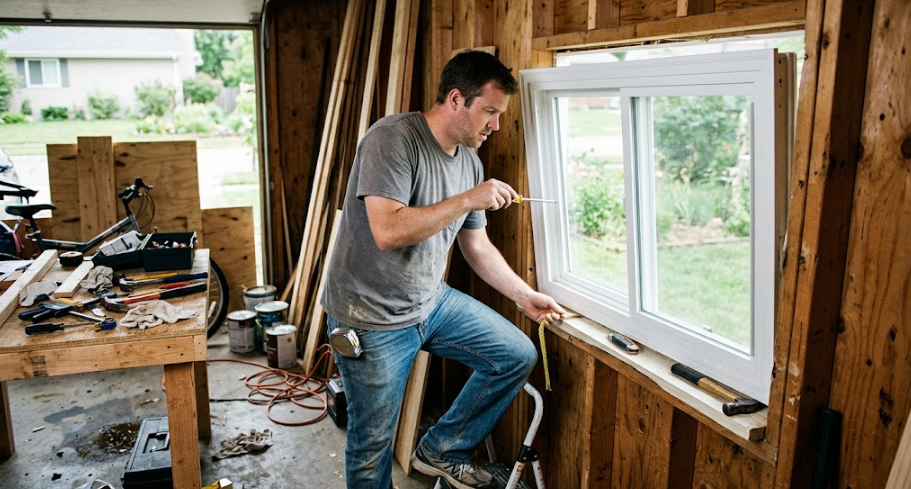
DIY installation risks poor sealing, which is the single biggest cause of energy loss in a home. A gap you can barely see can let hot Arizona air pour in all summer.
Homeowners who go the DIY route often run into a few common problems:
- Frames set slightly out of square, causing sticking or gaps
- Incorrect caulking that cracks within months in extreme heat
- Voided manufacturer warranties from self-installation
- Missed structural damage hidden behind the old frame
- Permit issues if local code requires licensed installation
In many cases, these problems don’t show up right away. They surface months later as higher utility bills or water stains.
How Much Does Professional Installation Cost Compared to DIY?
Professional installation typically costs more upfront than DIY due to labor, but it often saves money over time through better energy efficiency and warranty protection.
DIY window kits can look cheaper on the price tag. But once you factor in tools, wasted materials from mistakes, and potential repair costs from a bad seal, the gap often shrinks fast.
Getting a written quote from a licensed installer is the clearest way to compare real costs for your specific home.
Comparison: Professional Installers vs. DIY
| Factor | Professional Installer | DIY Installation |
| Structural inspection | Included | Skipped in most cases |
| Warranty coverage | Usually included | Often voided |
| Sealing quality | Professional-grade | Varies widely |
| Time to complete | 1-3 days for full home | Can stretch over weeks |
| Code compliance | Handled for you | Homeowner’s responsibility |
| Upfront cost | Higher | Lower |
Benefits of Hiring a Professional
- Fewer callbacks for leaks or drafts later
- Better performance against Arizona’s summer heat
- Manufacturer warranty stays valid
- Local code and permit knowledge included
- Cleanup and old window disposal handled for you
Common Mistakes DIY Homeowners Make
- Ordering windows without an accurate in-home measurement
- Using standard caulk instead of weatherproof exterior sealant
- Ignoring frame rot found during removal
- Skipping the manufacturer’s installation instructions
- Ordering during peak heat, which affects sealant curing
Who Should Hire a Professional Installer?
Anyone replacing multiple windows, dealing with stucco exteriors, or living in an older home with settling walls should hire a professional. Homeowners without construction experience also benefit most from a pro.
Who Might Consider DIY?
A single small window with a simple, undamaged frame and basic tools on hand might be a reasonable DIY project for an experienced homeowner. Even then, sealing quality still matters most.
Best Practices If You Choose DIY
- Measure every opening twice before ordering
- Use manufacturer-approved caulk rated for exterior heat
- Check local permit rules before starting
- Inspect the frame for rot before installing anything new
- Have a backup plan if the opening isn’t square
Final Recommendation
Professional home window installers bring structural know-how, proper sealing, and warranty protection that DIY simply can’t match in most cases. If your project involves more than one small, undamaged window, hiring a pro is usually the safer long-term choice for homes in Litchfield Park, AZ.
If you’re weighing your options, Apex Legacy Windows is happy to walk through your home’s specific situation and give you a straight answer, no pressure attached.