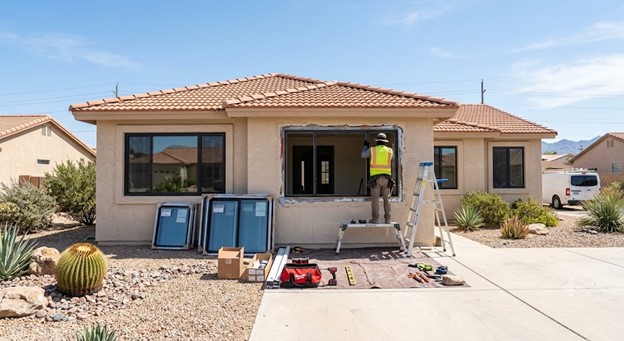
At some point, replacing windows one at a time stops making sense. Maybe you’ve already swapped out two or three over the years and the rest are starting to show their age too, or maybe you just moved into an older Litchfield Park home, and every window still has the original glass. Either way, whole house window replacement is a bigger decision than a single-window swap, and it’s worth going in with a clear picture of what the process actually involves.
This isn’t meant to scare you off the idea – for a lot of homes, doing it all at once is genuinely the smarter move. Here’s what to know before you commit.
Why Homeowners Choose to Do It All at Once
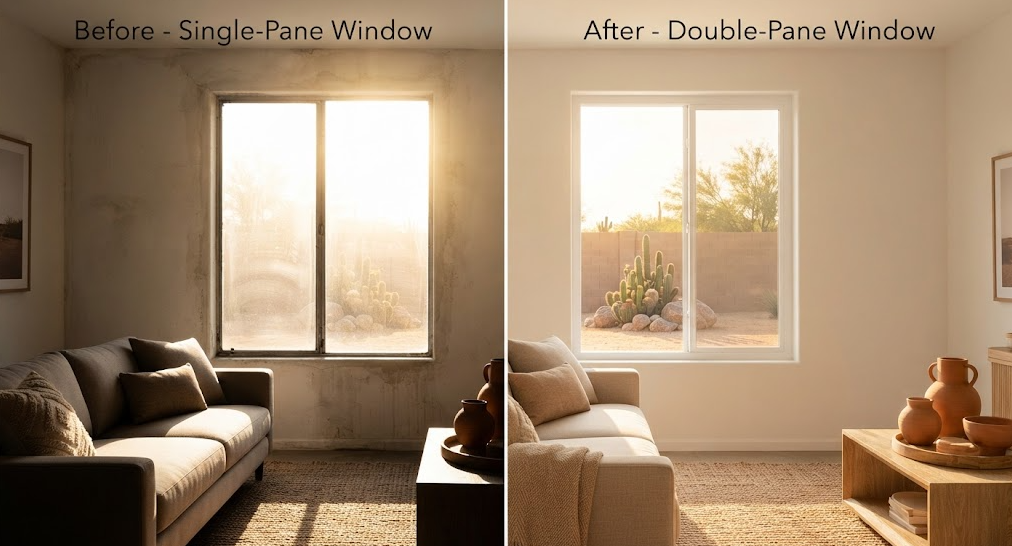
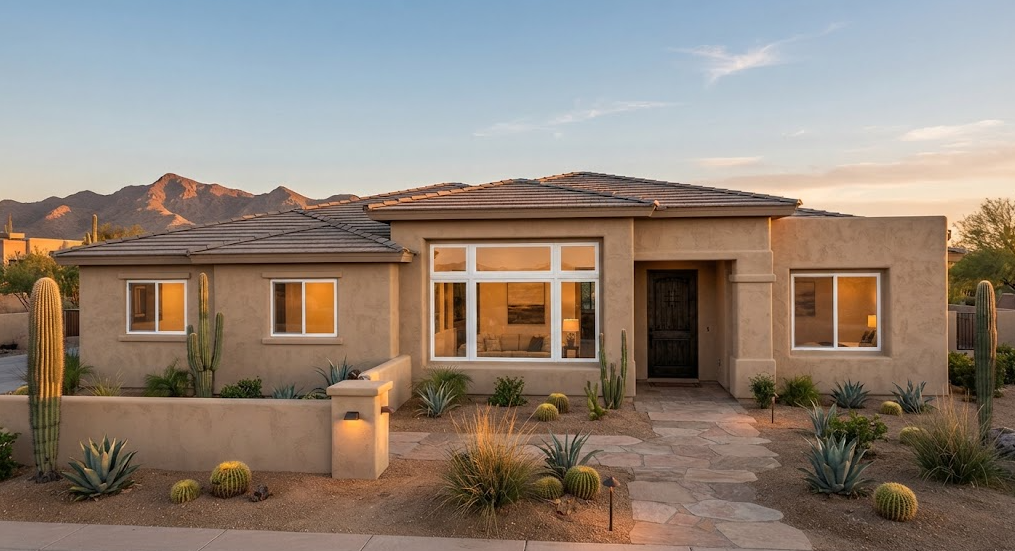
Replacing every window in one project usually costs less per window than spacing the work out over several years, since you’re only paying one visit’s worth of labor, setup, and equipment. It also means consistent glass performance and appearance across the whole house instead of a mismatched mix of old and new. For homes with mostly original windows, especially older single-pane or aluminum-frame ones, going whole-house often makes more financial sense than piecing it together room by room.
What Drives the Cost of a Whole-Home Project
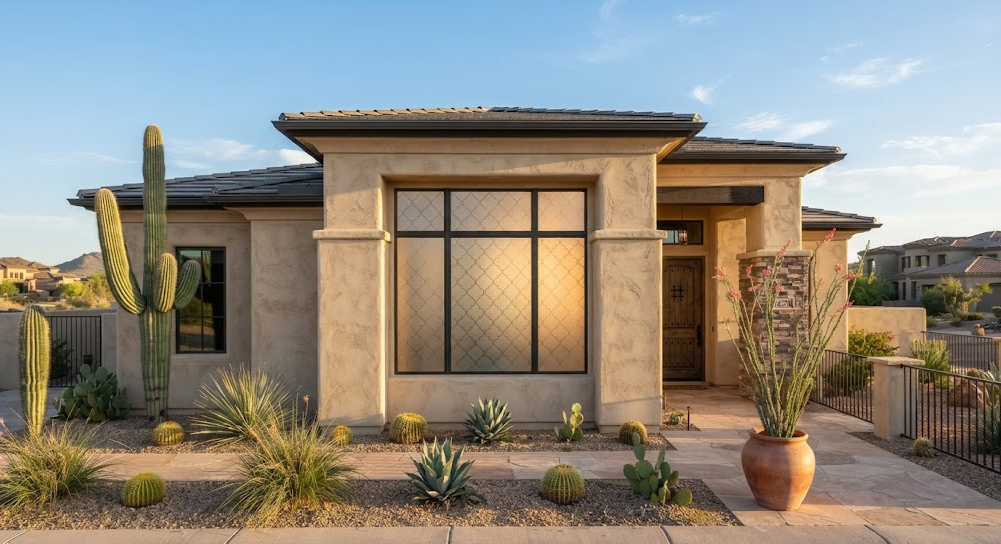
Total project cost depends on how many windows you have, their sizes, the frame material you choose, and the glass package. A modest home with a dozen standard-size windows costs less than a larger home with picture windows, custom shapes, or oversized openings. Vinyl frames with Low-E dual-pane glass tend to be the most budget-friendly performing option for Arizona homes, while fiberglass, custom sizing, or specialty shapes add to the total.
Planning Around Arizona’s Climate
Timing matters more here than people expect. Scheduling a whole-house project before peak summer means your home isn’t sitting with temporary openings during the hottest stretch of the year, and it avoids the scheduling backlog that tends to hit local window contractors once everyone’s AC bills spike in July. Monsoon season is also worth planning around, since exposed openings and sudden storms don’t mix well during a multi-day installation.
What to Expect During the Installation
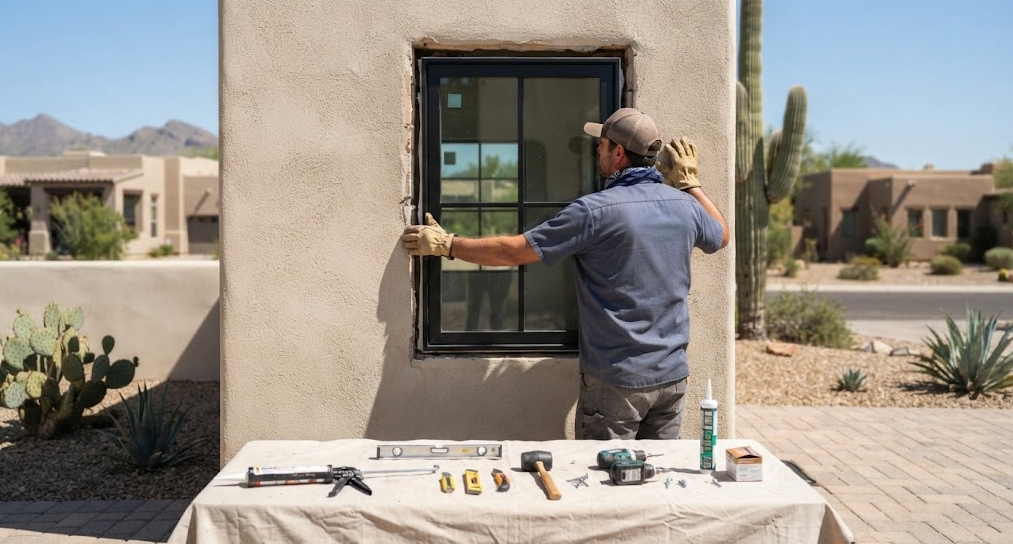
A whole-house project typically starts with a detailed measurement visit, followed by a manufacturing lead time before your windows arrive. Installation itself is usually done in phases, room by room, so your home isn’t fully exposed at any one point, and most projects wrap up within a few days depending on window count and any custom sizing involved. A reliable contractor will walk you through the schedule upfront rather than leaving you guessing.
Financing a Full-Home Replacement
A whole-house project is a bigger upfront number than a single window, which is exactly why financing options matter. Many local window contractors in Arizona offer payment plans that spread the cost out, making a full-home upgrade realistic without draining savings in one shot. It’s worth asking about financing terms early in the quote process rather than after you’ve already committed to a design.
Signs It’s Time for the Whole House, Not Just a Few Windows
If more than half your windows are original, showing drafts, fogged glass, or rising cooling bills, patching in a few new ones at a time tends to delay the inevitable rather than solve the underlying problem. At that point, a full replacement usually ends up being both the more efficient and more cost-effective path.
Ready to Talk Through a Whole-Home Project?
A full window replacement is a bigger decision, and it deserves a clear, honest quote before you commit to anything. Apex Legacy Windows offers free consultations for homeowners across Litchfield Park and the West Valley to walk through your options, timeline, and financing. Reach out today to get started.